
 See Our Latest Article on HelloNation
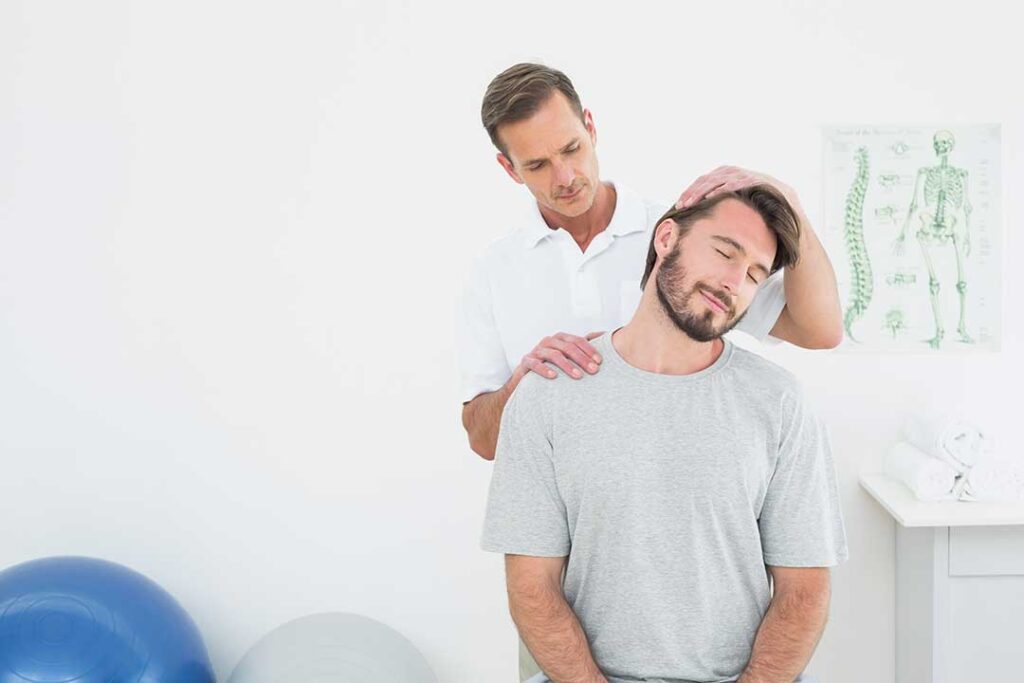
What does “core strength” have to do with the spine?
Core strength supports the spine by helping the trunk control movement, maintain balance, and transfer force between the upper and lower body. It is not simply about having visible abdominal muscles. The core includes the abdominal wall, back muscles, diaphragm, pelvic floor, hips, and deeper muscles that help steady the trunk.
A well-functioning core can make ordinary activities—such as lifting laundry, carrying groceries, climbing stairs, or getting up from a chair—more controlled. It may also help reduce strain during physically demanding tasks. However, core strength is only one part of spinal health. Sleep, general activity, mobility, stress, body mechanics, previous injuries, and medical conditions also matter.
Exercise programs are commonly included in evidence-based care for persistent low back pain, although no single exercise works equally well for everyone. Clinical guidelines support approaches such as trunk strengthening, endurance training, motor-control exercises, and general physical activity. ([pmc.ncbi.nlm.nih.gov](https://pmc.ncbi.nlm.nih.gov/articles/PMC10508241/?utm_source=openai))
How does a stronger core support the spine?
The spine is designed to move, not remain rigid. Core muscles help manage that movement by providing stability while the arms and legs do their work.
For example, when a person lifts a box, the trunk muscles help prevent unwanted twisting or collapsing. When walking on an uneven surface, they help keep the pelvis and torso aligned. During activities such as shoveling or carrying a child, core endurance can help maintain a steady position for longer periods.
Core strength may support spinal health in several ways:
- Improved movement control: The trunk can better coordinate bending, reaching, rotating, and lifting.
- Greater endurance: Muscles may tolerate daily activities without tiring as quickly.
- Better balance: Strong trunk and hip muscles contribute to steadier movement.
- More efficient force transfer: The hips, pelvis, spine, and shoulders can work together rather than placing excessive demand on one area.
- Support during recovery: Gradual strengthening can help some people return to normal activities after an episode of back pain.
These benefits do not mean a strong core can prevent every back problem. Back pain can also result from arthritis, nerve irritation, disc disorders, fractures, inflammatory disease, or other causes that are not solved by strengthening alone.
Is core strength the same as abdominal strength?
No. Abdominal exercises are only one part of core training. A person may perform many sit-ups and still have limited trunk endurance, poor hip strength, or difficulty controlling movement.
Effective core training often includes exercises that require the trunk to resist movement rather than repeatedly bending the spine. Examples may include:
- A gentle abdominal brace while breathing normally
- Bridge exercises for the hips and posterior chain
- Bird-dog movements performed slowly
- Side planks modified from the knees
- Dead-bug movements with controlled arm and leg motion
- Squats or hip-hinge drills that teach safe lifting mechanics
- Walking, cycling, water exercise, or other activities that build general endurance
The goal is controlled movement, not exhaustion. Holding the breath, forcing through pain, or using momentum can turn a basic exercise into an unnecessarily stressful one.
What is a practical beginner routine?
A simple routine can begin with low-intensity movements performed two or three times per week. The exact starting point should depend on current fitness, symptoms, age, balance, and previous injuries.
One possible sequence is:
1. Abdominal brace: Lie on the back with knees bent. Gently tighten the lower abdomen as if preparing for a cough, while continuing to breathe. Hold for five to ten seconds and repeat several times.
2. Bridge: Raise the hips slowly while keeping the ribs and pelvis controlled. Begin with a small range of motion.
3. Bird-dog: From hands and knees, extend one arm or one leg at a time. Progress to opposite arm and leg only when the trunk remains steady.
4. Side support: Use a wall, countertop, or knees for a modified side plank. Focus on alignment rather than duration.
5. Walking: Add regular walking to build whole-body endurance and confidence with movement.
A useful progression is to increase repetitions, time, or complexity gradually—not all three at once. Mild muscle fatigue is expected. Sharp pain, worsening leg symptoms, unusual weakness, or pain that continues to escalate is a reason to stop and reassess.
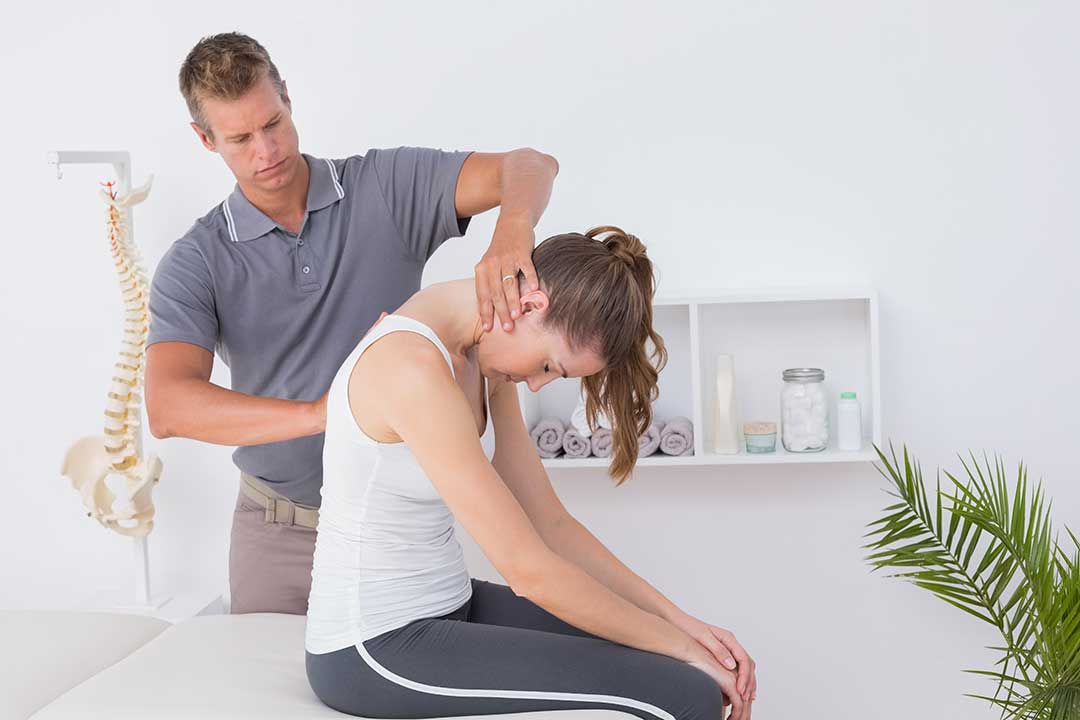
How can seasonal activities affect the core and back?
Residents in Plattsburgh often adapt their routines to cold weather, snow, ice, and changing outdoor conditions. Winter tasks can place sudden demands on the trunk, particularly when a person moves from a relatively inactive period into repeated shoveling, lifting, or carrying.
A few practical habits may reduce unnecessary strain:
- Warm up with several minutes of walking and gentle movement before strenuous outdoor work.
- Use a shovel that is appropriate for body size and avoid lifting more snow than necessary.
- Push snow when conditions allow instead of repeatedly throwing heavy loads.
- Change sides periodically during shoveling to reduce repeated rotation in one direction.
- Bend through the hips and knees rather than rounding only through the lower back.
- Break large tasks into shorter periods with rest.
- Wear footwear that provides adequate traction, since slipping can create sudden forces through the spine and hips.
The same principle applies during spring cleanup, gardening, moving household items, and summer recreational activities: build capacity gradually instead of expecting the body to handle an unfamiliar workload immediately.
Does core strengthening prevent back pain?
Core strengthening may improve function and may help some people manage or reduce recurring low back symptoms, but it is not a guaranteed form of prevention. Research and clinical guidelines generally support exercise as part of care for chronic low back pain, while also recognizing that the evidence does not identify one universally superior exercise program. ([who.int](https://www.who.int/publications/i/item/9789240081789?utm_source=openai))
General movement may be just as important as specific core exercises. Long periods of sitting, avoiding all activity because of fear, or abruptly increasing exercise can each contribute to reduced tolerance. Alternating positions, taking brief movement breaks, and maintaining comfortable daily activity are often more practical than trying to keep the spine perfectly still.
Core exercises should also be matched to the individual. Someone with hip limitations may need a different approach than someone recovering from surgery, managing osteoporosis, or experiencing pain that travels into the leg.
When should back pain be evaluated promptly?
Most episodes of back pain are not emergencies, but certain symptoms require timely medical assessment. Seek urgent care for back pain accompanied by new loss of bladder or bowel control, numbness in the saddle area, severe or progressive leg weakness, major trauma, fever, unexplained weight loss, or a history that raises concern for infection, cancer, or fracture.
Persistent pain, repeated flare-ups, pain that travels below the knee, or symptoms that interfere with sleep and daily activities also deserve evaluation. A health professional can help determine whether exercise is appropriate, identify contributing factors, and modify movements when needed.
For many people, spinal health is supported not by a single “perfect” exercise but by consistent, tolerable movement combined with adequate strength, mobility, recovery, and attention to changing demands throughout the year.
