
 See Our Latest Article on HelloNation
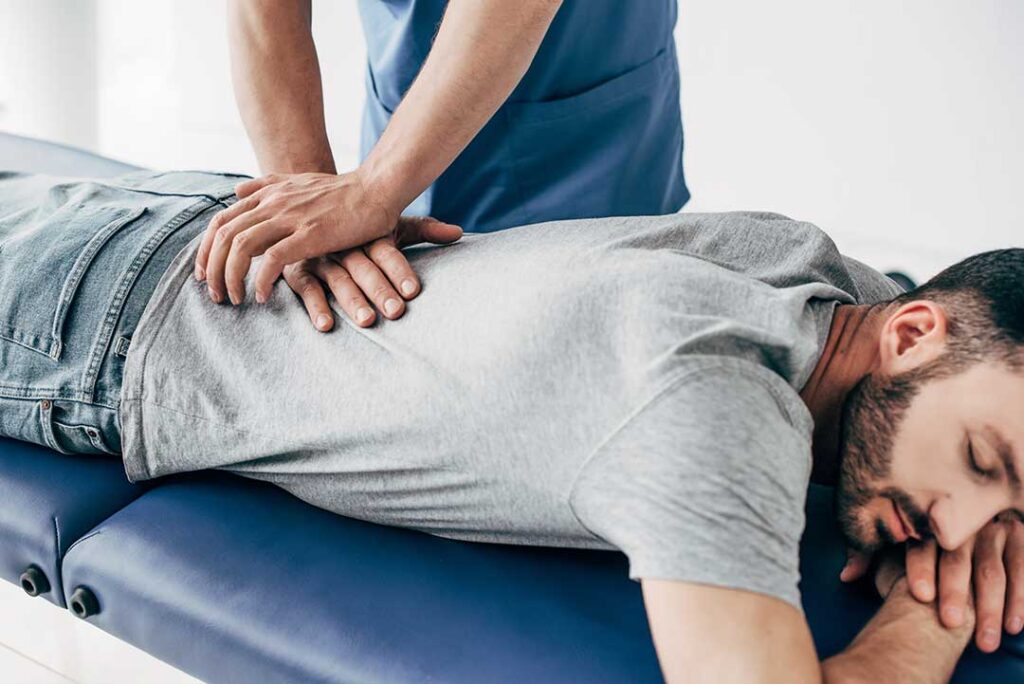
How Does Mobility Affect Daily Life in Plattsburgh, NY?
For many residents, mobility means the ability to perform everyday actions—whether that’s shoveling snow, climbing stairs, or taking a stroll at a local park. Cold winters and fluctuating weather can lead to stiffness, sore joints, and a reduced desire to stay active. Over time, decreased movement can make everyday tasks more difficult, which may diminish quality of life.
What Simple Activities Can Help Improve Movement?
Gentle, regular activity is one of the most effective natural ways to support muscle and joint health. Even low-intensity movement, performed consistently, helps keep the body flexible and responsive. Examples often recommended within the community include:
- Stretching after getting out of bed or before heading outdoors, especially in colder months
- Walking in familiar, accessible areas such as neighborhood sidewalks or local trails
- Participating in gentle classes like yoga or aquatic exercise when available
- Using household objects (such as a sturdy chair) to support balance exercises
Residents find it easier to stick with short, manageable routines, particularly if the exercises are easy to adapt for different fitness levels.
Can Daily Habits Make a Difference for Joint Health?
Yes. Everyday habits contribute significantly to joint function and long-term mobility. Actions such as choosing supportive footwear during icy winters and setting aside time each hour to stand and stretch can benefit joint health. Many area households adjust their routines seasonally to stay comfortable. For example:
- Wearing layers to keep muscles warm and responsive
- Allowing extra time for stretching before crossing snowy or uneven ground
- Using mats or rugs indoors to prevent slips and cushion joints
Awareness of the local climate and housing patterns helps residents adapt protective strategies specific to their environments.
Are There Natural Ways to Relieve Stiffness and Discomfort?
Mild stiffness, especially with aging or infrequent movement, is common and can often be alleviated with non-invasive methods. Some of the most useful strategies include:
- Applying a warm towel or heating pad to tight muscles
- Taking short breaks to gently move joints after sitting for long periods
- Drinking enough water, since local residents often underhydrate in colder weather
- Incorporating anti-inflammatory foods, such as leafy greens and berries, into meals

For those experiencing discomfort that limits activity, it’s helpful to keep a daily log of what makes the symptoms better or worse. This can help identify habits or conditions that may be overlooked.
What Are Common Misconceptions About Flexibility and Age?
A frequent misconception in the community is that declining flexibility and stiffness are inevitable with age. While some loss of elasticity is normal, regular movement often preserves more flexibility than people expect. Another myth is that only intense stretching or strenuous exercise provides benefit; in reality, small, consistent motions—like ankle circles or gentle trunk rotations—are often just as helpful, particularly for individuals with chronic pain or limited mobility.
How Does the Local Climate Impact Mobility?
Residents frequently notice more stiffness and discomfort during the colder months or following weather changes. Cold temperatures can cause muscles and connective tissues to contract, making movement more challenging and increasing the risk of slips and falls. Some seasonal considerations include:
- Clearing walkways and driveways to prevent uneven footing
- Allowing extra warm-up time before outdoor activity
- Practicing indoor mobility routines when weather is severe
- Checking in on neighbors who may have greater challenges getting outdoors in winter
Taking these factors into account can help residents protect their mobility year-round.
What Supports Mobility Besides Physical Activity?
Good posture, adequate sleep, and stress management all play a part in supporting the body’s ability to move freely. Simple adjustments, such as placing frequently used household items within easy reach, rearranging furniture for clear pathways, and investing time in relaxing activities, all contribute to fewer obstacles throughout the day. Many residents find that mindfulness techniques, such as focusing on breath or progressive muscle relaxation, make movement more comfortable and reduce tension.
When Should Someone Seek Professional Support?
Natural strategies are safe for most people, but if movement is suddenly restricted; if there are signs of severe swelling, heat, or injury; or if self-guided approaches don’t improve symptoms, it’s wise to discuss these concerns with a qualified healthcare provider. This is especially important for anyone managing a chronic illness, recovering from recent surgery, or experiencing unexplained symptoms.
