
 See Our Latest Article on HelloNation
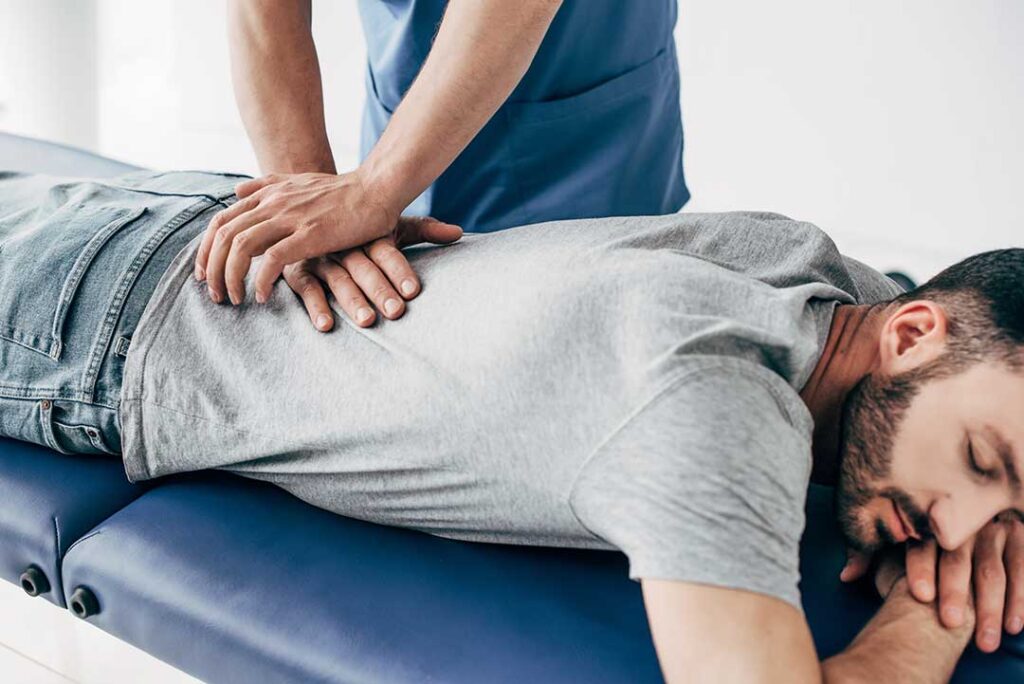
What’s the Relationship Between Spinal Alignment and Balance Problems?
Balance is the body’s ability to stay upright and steady, whether walking on icy sidewalks in Plattsburgh, NY or simply getting out of bed. Spinal alignment refers to how the bones in the spine (vertebrae) are stacked and positioned. If the spine is out of alignment, even slightly, it can disrupt how the brain and nervous system control balance.
The spine protects the spinal cord—a crucial communication highway between the brain and the rest of the body. When vertebrae are misaligned, signals about body position and motion may be delayed or distorted, making balance more challenging, especially in older adults or those with past injuries.
How Can Spinal Issues Cause or Worsen Balance Issues?
Disrupted spinal alignment can lead to direct and indirect balance problems. Here’s how:
- Nerves affected by poor posture or spinal curvature might not send clear messages from the feet or legs to the brain.
- Inflammation or muscle tightness from spinal misalignment can affect how quickly muscles respond to changes in footing, which is important during Plattsburgh’s icy winters.
- Natural age-related wear (degeneration) in the spine may compress nerves, making the body less sensitive to shifting weight or unstable surfaces.
Locally, residents who spend winter months dealing with snow-covered walkways or those who walk frequently on uneven terrain may be particularly affected if their spinal alignment is not optimal.
Which Spinal Conditions Are Most Commonly Linked to Loss of Balance?
Several spinal problems are known to contribute to balance difficulties beyond standard dizziness:
- Degenerative Disc Disease — common with aging, it can lead to nerve pressure that dulls the body’s sense of where it is in space.
- Scoliosis or Kyphosis — these abnormal curvatures often disrupt the even loading of joints and muscles, potentially causing unsteadiness.
- Spinal Stenosis — narrowing of spaces in the spine can compress nerves that relay balance information.
- Herniated Disc — pressure on nerves can disturb the normal sensation in the legs or feet.
In the Plattsburgh area, where many households are aging in place or living in multistory homes, these issues can contribute to an increased risk for falls or stumbles, especially in winter.
What Everyday Signs Suggest Balance Concerns May Be Tied to Spinal Alignment?
Local residents may mistakenly attribute balance problems to ear issues or aging alone. However, symptoms linked to the spine often include:
- Persistent neck or low back pain combined with feeling unsteady
- A sensation of “heaviness” or weakness in one leg
- Frequent tripping or difficulty adjusting to uneven ground
- Numbness or tingling in the feet, particularly after sitting or standing for long periods
People in the community who notice these signs—especially after shoveling snow, gardening, or performing home repairs—may want to consider whether their spine could be contributing.
How Do Lifestyle Factors in Plattsburgh Affect Spinal Alignment and Balance?
Local factors unique to Plattsburgh, like snow shoveling, heavy outerwear, or slipping on wet leaves, put strain on the back and require quick balance adjustments. Spending months indoors and doing less physical activity in colder weather can also lead to muscle stiffness or weakened core support, both of which impact spinal alignment.
Residents who regularly walk long distances, climb stairs in two-story homes, or who are regularly exposed to icy conditions may experience more pronounced impacts if their spine is not properly aligned. Caring for spinal health is not just about comfort—it’s important for fall prevention year-round.
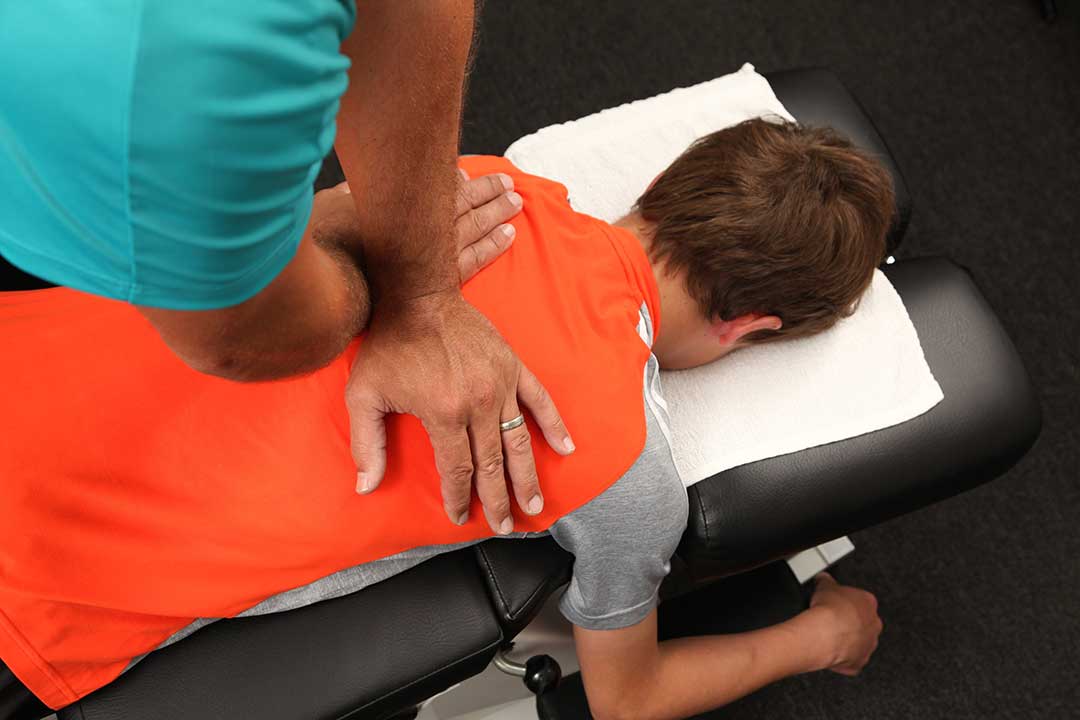
What Misconceptions Do People Have About Spinal Alignment and Balance?
Some common misunderstandings include:
- Believing only elderly people are affected—while balance issues do increase with age, posture and alignment concerns can occur in younger people with repetitive strain or injuries.
- Assuming dizziness always means an inner ear or blood pressure problem—in some cases, the underlying cause is nerve compression in the spine.
- Thinking that exercise alone will fix balance challenges—without addressing spinal misalignment or associated nerve problems, recommended exercises may be less effective.
Being aware that posture, injury, and everyday spinal health play a role can help community members identify problems sooner.
Are There Practical Steps to Support Both Spine Health and Balance at Home?
Yes, supporting spinal alignment and healthy balance can be done with a few simple steps at home or work:
- Practice good posture—stand tall with weight evenly distributed on both feet.
- Use proper lifting techniques—especially important when handling winter gear or shoveling snow.
- Incorporate gentle stretching or balance exercises such as yoga or tai chi, which can be done indoors during Plattsburgh’s colder months.
- Wear supportive shoes, especially on icy or uneven ground, to avoid unnecessary slips that could worsen alignment issues.
- Take regular breaks from sitting—break up long periods on the couch or at a desk, which can contribute to misalignment.
If someone experiences sudden loss of balance, severe weakness, or falls resulting in injury, those should be treated as urgent and a medical evaluation sought promptly.
Why Is Balancing Spinal Health Especially Important for Local Residents?
Plattsburgh’s unique blend of seasonal hazards—like snow and ice—and the community’s love for outdoor activities mean that both spinal alignment and balance are important for safety and independence. Slips, trips, or falls in the city’s parks, sidewalks, and home staircases can have significant health and daily living impacts, especially if underlying spinal conditions go unrecognized.
Making informed choices about movement, posture, and safe home setups can help area residents enjoy local life with greater confidence and less risk from unseen spinal issues affecting balance.
