
 See Our Latest Article on HelloNation
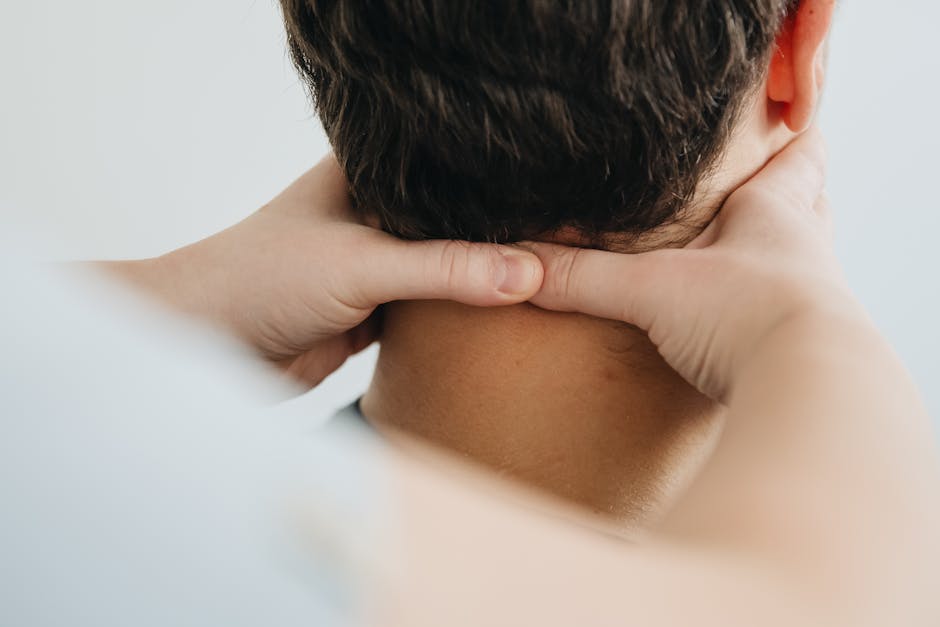
Living in Plattsburgh, NY, means balancing outdoor activities along Lake Champlain with the demands of everyday life. Whether you're hiking in the Adirondacks, skiing in the winter, or simply commuting to work across Clinton County, you may find yourself dealing with persistent muscle pain at some point. One common and frequently misunderstood cause of this discomfort is the presence of trigger points. So, what are trigger points, and how do they relate to muscle pain? This guide is designed to answer those questions in detail, helping Plattsburgh residents find lasting relief and keep enjoying all that the region has to offer.
What Are Trigger Points?
Trigger points, also known as myofascial trigger points or muscle knots, are tight bands or small, hyperirritable spots found within a muscle. These areas are tender to the touch and can cause referred pain—pain that is felt elsewhere in the body. Imagine you have a knot in your shoulder after a long day kayaking on Lake Champlain or after shoveling snow off your driveway. That soreness often points to a trigger point.
Common Causes of Trigger Points in Plattsburgh
The active lifestyle that comes with living in Plattsburgh, NY, is a double-edged sword. While physical activity is essential for good health, repetitive motions, overuse, or even prolonged periods of poor posture (like sitting for hours at a local coffee shop or working remotely) can contribute to the development of trigger points. Typical causes include:
- Physical Overuse: Activities like rowing, cycling, or hiking in the Adirondacks involve repetitive muscle contractions that can lead to trigger points.
- Sedentary Lifestyle: Desk jobs or long commutes across Clinton County can mean holding muscles in one position, causing tension and knots.
- Injuries: Slips on icy winter sidewalks or sports injuries can damage muscle fibers, making them susceptible to developing trigger points.
- Stress: Emotional stress—common during long, cold North Country winters—can cause you to unconsciously tighten muscles, leading to knots in the neck, shoulders, or back.
Symptoms of Muscle Trigger Points
Plattsburgh residents often describe trigger point pain as a deep, aching, or burning sensation that does not seem to go away. Classic symptoms include:
- Localized tenderness in a specific spot in a muscle
- Difficulty turning the neck or moving a limb after recreation or yardwork
- Muscle stiffness, especially after sleeping or sitting for long periods
- Headaches or tension that seem to originate in the shoulders or upper back
Sometimes, the referred pain can even mimic conditions like tension headaches or sciatica, which makes it important to seek professional guidance for a proper diagnosis.
How Are Trigger Points Diagnosed?
If you visit a chiropractor or physical therapist in Plattsburgh, the clinician will ask about your lifestyle, activity level, and symptoms. Diagnosis typically involves:
- Palpation: The practitioner uses their hands to feel for taut bands or tender spots in the muscle.
- Discussion of Symptoms: They'll ask about the type, location, and duration of your pain, as well as what activities seem to aggravate or relieve it.
There are no imaging studies that definitively show trigger points, so clinical experience and detailed patient history are essential.
Why Do Trigger Points Cause So Much Pain?
The pain from trigger points is primarily due to a combination of muscle fiber contraction and reduced blood flow. When trigger points form, they can squeeze off their own blood supply, leading to a buildup of waste products that further irritate nerves. This "feedback loop" keeps the muscle tight and painful unless properly addressed.
In a place like Plattsburgh, with its active, seasonal lifestyle, the pain from untreated trigger points can keep you from participating in favorite pastimes—be it ice fishing, gardening, or summer runs along the Saranac River Trail.
Preventing and Managing Trigger Points
Many frustrated locals wonder, "How do I get rid of these stubborn knots?" The good news is that there are effective strategies to prevent and relieve trigger points:
- Stay Active, but Vary Movements: Mix up your activities. Alternate between skiing, hiking, or indoor swimming to avoid overusing the same muscle groups.
- Ergonomics: If you're working from home, ensure your desk and chair are set up properly. Regular breaks to stretch are also essential.
- Stay Hydrated: Muscle tissue needs adequate water, especially after a long day enjoying the outdoors in summer or heated indoor air in winter.
- Stretching and Self-Massage: Gentle stretching and using a foam roller or a massage ball can help release tightness.
- Professional Manual Therapy: Chiropractors and massage therapists in Plattsburgh can apply trigger point therapy to directly address muscle knots.
When to Seek Professional Help
If your muscle pain persists for more than a week, severely limits your daily activities, or is associated with numbness or tingling, consult a chiropractic provider. Professional care can help rule out more serious conditions and provide:
- Customized manual therapies
- Corrective exercise instruction
- Advice on posture and workplace ergonomics
- Drug-free pain relief options
Chiropractors in Plattsburgh have experience treating residents suffering from muscle-related pain, especially those who lead active lives or have experienced previous injuries.
The Plattsburgh Perspective: Living Pain-Free
Living in Plattsburgh means embracing the outdoors whenever you can—whether it’s soaking in the last rays of summer on the water or participating in chilly winter festivities downtown. By understanding trigger points and muscle pain, you can take proactive steps to maintain your health and get back to what you enjoy the most.
Trigger points are manageable with the right approach, knowledge, and resources. If you’re struggling with persistent muscle pain, remember that you don’t have to live with it—relief is possible, even during the heart of an Adirondack winter.
