
 See Our Latest Article on HelloNation

Chiropractic care is one option for managing certain muscle, joint, and spine-related pain. It may help some people move more comfortably and rely less on medication, but its benefits are usually modest and it works best as part of a broader plan that may include exercise, activity changes, education, and medical evaluation.
For residents of Plattsburgh, pain may be influenced by physically demanding work, long periods of driving, home maintenance, winter conditions, recreational activity, or repeated lifting. Understanding what chiropractic care can and cannot do helps people make safer, more informed decisions.
What does chiropractic care involve?
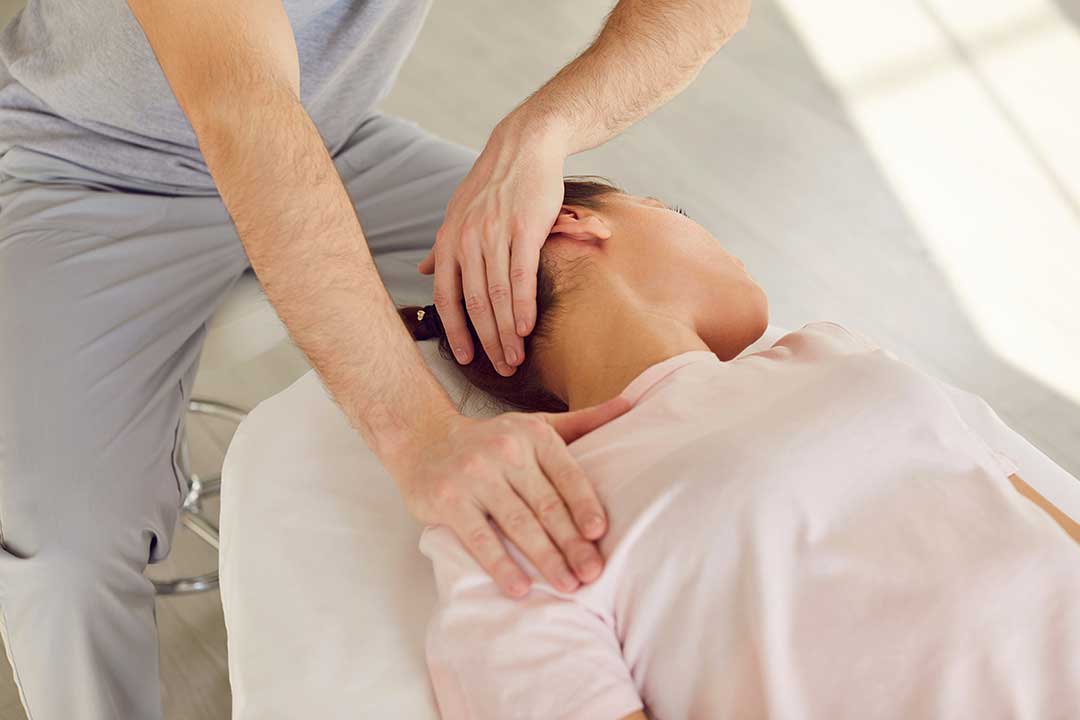
Chiropractic care commonly includes hands-on treatment directed at the spine or other joints. The best-known technique is spinal manipulation, in which a controlled force is applied to a joint. Mobilization is gentler and moves a joint through part of its normal range without a quick thrust. Chiropractic visits may also include movement assessment, stretching, strengthening exercises, posture guidance, and advice about daily activities.
The purpose is generally to reduce pain, improve movement, and support normal function. It is not a treatment designed to “put every bone back into place,” and joint sounds or cracking are not proof that a problem has been corrected.
A careful evaluation should consider the location and duration of pain, previous injuries, health conditions, medications, neurological symptoms, and signs that another type of medical care may be needed.
Which pain conditions may respond?
The strongest research relates to uncomplicated low-back pain, neck pain, and some headaches originating from the neck. For acute low-back pain, spinal manipulation may provide modest improvements in pain and function over several weeks. For chronic low-back pain, studies suggest small improvements that are broadly comparable to other recommended non-drug treatments. ([nccih.nih.gov](https://www.nccih.nih.gov/health/spinal-manipulation-what-you-need-to-know?utm_source=openai))
The American College of Physicians lists spinal manipulation among several non-drug options for acute, subacute, and chronic low-back pain. The recommendation is not that manipulation is superior for everyone, but that it may be considered alongside approaches such as exercise, heat, massage, mindfulness-based treatment, or rehabilitation. ([acponline.org](https://www.acponline.org/acp-newsroom/american-college-of-physicians-issues-guideline-for-treating-nonradicular-low-back-pain?utm_source=openai))
For chronic neck pain, manipulation or mobilization may reduce pain and improve function, although the evidence is less consistent than many advertisements suggest. Some people report short-term relief, while others notice little change.
Pain traveling down an arm or leg requires more careful assessment. Chiropractic treatment may sometimes be included in care for certain nerve-related symptoms, but numbness, weakness, coordination problems, or worsening leg pain should not be treated as routine muscle soreness.
How does it fit into a larger pain-management plan?
Pain management is usually more effective when it addresses several factors rather than relying on one technique. For many back or neck problems, useful elements may include:
- Gradually returning to normal activity instead of prolonged bed rest
- Exercises that improve strength, mobility, balance, or endurance
- Changes to lifting, work, sleep, or sitting habits
- Heat or cold used for short-term comfort
- Medication when appropriate and safe for the individual
- Education about pain, recovery, and warning signs
- Evaluation of stress, poor sleep, or fear of movement when these are contributing to persistent symptoms
The World Health Organization recommends education, exercise, some physical therapies—including spinal manipulative therapy—and other coordinated approaches for chronic primary low-back pain. This reflects an important principle: hands-on care may be one component of treatment, not a replacement for movement, self-management, or medical care when needed. ([who.int](https://www.who.int/news/item/07-12-2023-who-releases-guidelines-on-chronic-low-back-pain?utm_source=openai))
For someone dealing with winter-related slips, snow shoveling, ice removal, or seasonal outdoor work, prevention may matter as much as treatment. Pacing strenuous tasks, changing positions regularly, using safe lifting mechanics, and taking breaks can reduce repeated strain.
Is chiropractic treatment safe?
Most people experience no serious problems from appropriately delivered spinal manipulation, but temporary soreness, stiffness, headache, or increased discomfort can occur. These effects commonly resolve within about a day. Serious complications are very rare, although they have been reported, and the exact level of risk is not known with precision. ([nccih.nih.gov](https://www.nccih.nih.gov/health/spinal-manipulation-what-you-need-to-know?utm_source=openai))
Neck manipulation deserves particular caution. Rare cases of cervical artery dissection and stroke have been reported after neck manipulation, although research has not established in every case whether the manipulation caused the artery problem or whether an early symptom of the problem led the person to seek care. Anyone considering neck treatment should discuss relevant risks, health conditions, recent injuries, and treatment alternatives.
Extra caution is appropriate for people with conditions that may weaken bones, affect blood clotting, increase fracture risk, or cause neurological problems. Pregnancy, recent surgery, significant trauma, inflammatory disease, or a history of cancer should also be disclosed before treatment.
When should pain be medically evaluated first?
Chiropractic care is not the right first step for every painful condition. Prompt medical evaluation is appropriate for back pain associated with:
- Loss of bladder or bowel control
- New or increasing weakness or numbness
- Difficulty walking or maintaining balance
- Numbness around the inner thighs or groin
- Fever, unexplained weight loss, or feeling seriously unwell
- A major fall, collision, or other significant injury
- A history of cancer
- Severe pain that is constant, rapidly worsening, or worse when lying down
- Burning urination or blood in the urine
These symptoms can indicate nerve compression, infection, fracture, kidney-related illness, cancer, or another condition requiring diagnosis and possibly urgent treatment. ([medlineplus.gov](https://www.medlineplus.gov/ency/article/007425.htm?utm_source=openai))
Sudden facial drooping, trouble speaking, severe unusual headache, fainting, or new one-sided weakness requires emergency care rather than routine treatment.
What questions should a patient ask?
A useful discussion should include clear expectations. Questions may include:
- What is the most likely cause of the pain?
- What findings support the proposed treatment?
- Are manipulation, mobilization, exercise, or another approach appropriate?
- What improvement should be expected, and over what period?
- What symptoms would mean treatment should stop?
- Are there alternatives with similar evidence?
- Is imaging needed, or would it be unlikely to change treatment?
- How will progress be measured?
A reasonable plan should include a way to determine whether pain, movement, sleep, work ability, or daily function is improving. If there is no meaningful progress, the diagnosis and treatment approach should be reconsidered rather than continuing indefinitely without a clear purpose.
What should residents remember?
Chiropractic care can provide modest relief for some forms of low-back and neck pain, particularly when it is combined with active rehabilitation and practical self-care. It is not a universal solution, and it should not be used to delay evaluation of red-flag symptoms.
For local residents managing pain through demanding seasons, household work, commuting, or outdoor activity, the most useful approach is usually one that supports safe movement, sets realistic expectations, and coordinates hands-on care with exercise and appropriate medical evaluation.
