
 See Our Latest Article on HelloNation

Why Does My Neck Click or Pop?
A clicking or popping sound in the neck is common and usually harmless. For most people in Plattsburgh, NY who notice these noises, the sensation is painless and doesn't interfere with daily life. The sounds can happen during movement, like turning the head or nodding, and may occur more often after periods of inactivity or in colder weather.
What Actually Makes the Noise?
Most clicks and pops in the neck are caused by normal joint motion. As the cervical spine (the portion of the backbone in the neck) moves, pressure changes in the small, lubricated joints can create a “cavitation”—a tiny bubble forming and then quickly collapsing. This is similar to the sound some people hear when cracking knuckles.
Other common sources of neck sounds include:
- Tendons or ligaments momentarily catching on a bone or other tissues and then snapping back into place
- Slight shifting of bones or vertebrae as they glide over each other
- Changes in joint pressure during everyday motions
Is Neck Clicking Always a Cause for Concern?
Occasional clicking in the neck is considered normal for many healthy adults and teenagers in the community, especially after periods of sitting at a desk, looking down at a phone, or driving long distances around rural areas. These sounds are common during colder months in Plattsburgh, when people tend to be less physically active or carry more tension in their shoulders and neck.
However, neck sounds might warrant further attention if:
- They’re accompanied by pain, swelling, or decreased range of motion
- There was a recent significant fall, accident, or trauma
- The sounds are new and persistent, and don’t seem related to typical movement
- There are neurological symptoms such as tingling, numbness, or weakness
Most neck sounds aren’t dangerous, but new pain or changes after injuries (slips on ice, for example, which can be common in the city during winter) should be discussed with a healthcare provider.
Are There Everyday Habits That Make Clicking More Likely?
In local households, common lifestyle patterns can contribute to increased neck sounds:
- Extended Device Use: Looking down at phones or tablets for extended periods—sometimes called “tech neck”—can strain neck structures, leading to tight muscles or tendon movement that increases popping sounds.
- Prolonged Sitting: Desk work and less outdoor activity during Plattsburgh’s cold winters mean area residents may spend more time with poor posture, which can make sounds more noticeable during stretching or repositioning.
- Carrying Heavy Bags: Backpacks and shoulder bags, especially popular among students or professionals commuting on foot or by bicycle, can put extra stress on the neck and upper back.
Occasionally, simply stretching after a long period of sitting will produce a cracking or popping noise as tension is released from the joints and muscles.
Can Weather or Seasonal Changes in Plattsburgh Affect Neck Sounds?
Seasonal shifts in temperature and humidity can influence joint and muscle behavior. During cold winters in Plattsburgh, area residents may notice more stiffness in the neck and an increased awareness of clicking or popping when moving after being indoors for long periods. Chilly air can cause muscles to tighten and joints to move less freely, making natural joint noises more pronounced.
When Is Clicking in the Neck Connected to Joint Changes or Arthritis?
For older adults or those with past injuries, neck clicking can sometimes relate to degenerative changes in the cervical spine such as:
- Osteoarthritis: Wear and tear on cartilage leads to rougher joint surfaces, increasing the likelihood of grinding or popping sounds.
- Degenerative Disc Disease: Thinning or uneven discs between vertebrae can cause neighboring bones to move less smoothly, resulting in audible clicks.
- Past Injuries: Previous whiplash (from a car accident or sports collision) or other trauma can alter joint mechanics, leading to more frequent or noticeable sounds.
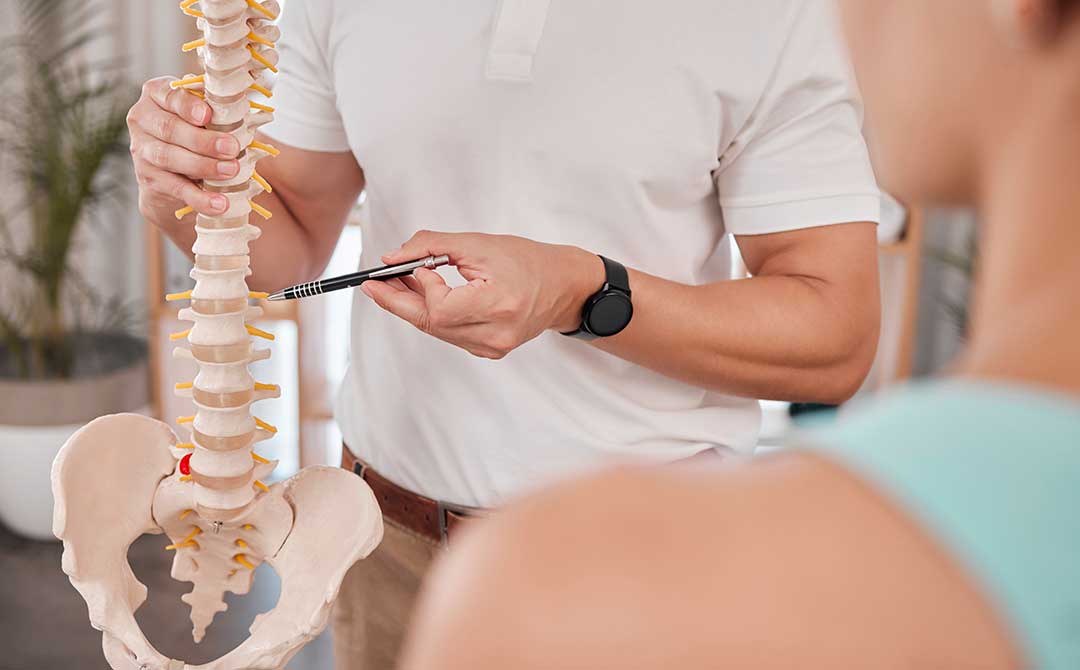
Usually, these sounds are only a concern if they come with pain, decreased mobility, or other new symptoms.
Are Myths or Misconceptions Common in the Community?
Some local residents worry that any neck cracking means something is seriously wrong or that it will automatically lead to arthritis. In reality:
- Occasional clicking doesn’t mean a joint is “wearing out”
- Most healthy joints create sound from time to time, especially during normal use
- Regular self-induced neck cracking (such as habitually turning the neck to “get a pop”) hasn't been proven to cause joint damage, but forcing movements should be avoided if it causes pain
What Practical Steps Can Reduce Annoying Neck Sounds?
For residents bothered by frequent or loud neck noises, several simple changes may help:
- Vary posture frequently, especially during long periods at the computer or while driving
- Incorporate gentle neck stretches or mobility exercises into daily routines
- Limit time spent in positions that put extra stress on the neck, such as looking down at a phone while walking outdoors or shoveling snow
- Use supportive pillows to encourage healthy neck alignment, especially during winter when more time is spent indoors
Pay attention to any neck sounds that change suddenly, are linked to a specific injury, or come with new pain or neurological symptoms.
