
 See Our Latest Article on HelloNation
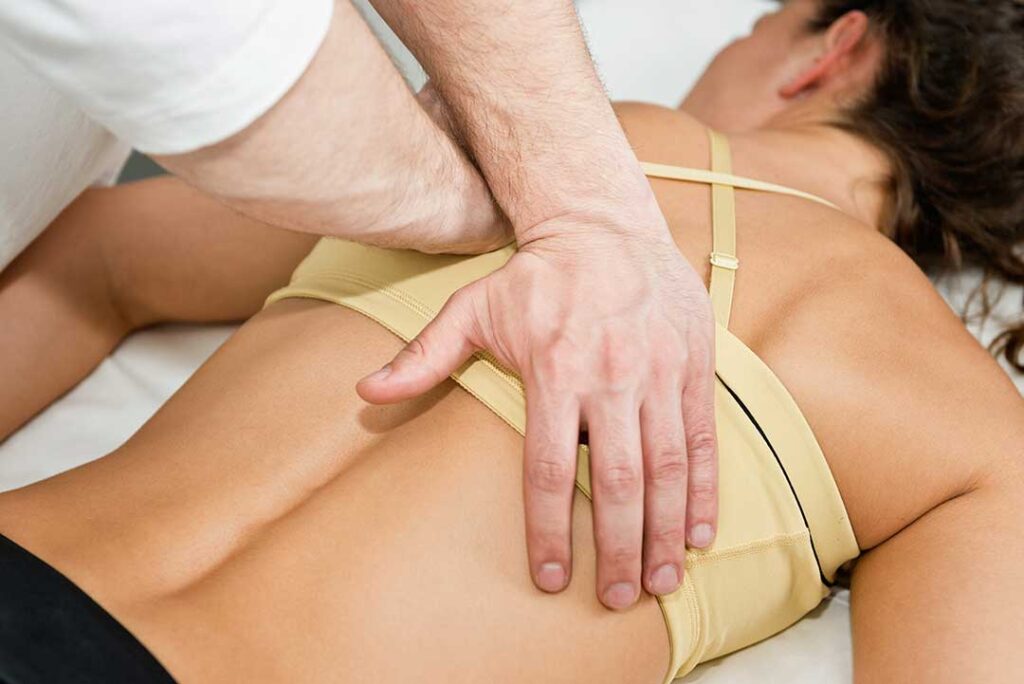
What Is Scoliosis and Who Does It Affect in Plattsburgh, NY?
Scoliosis is a side-to-side curvature of the spine that most often develops during childhood or adolescence, but adults can be affected as well. The degree of curvature varies widely. Mild cases may go unnoticed, while more pronounced scoliosis can cause visible changes in posture or discomfort.
In Plattsburgh, the condition is seen across all age groups, from school-aged children identified during routine screenings to adults who notice back pain or postural changes. Scoliosis is not caused by poor posture or carrying heavy bags, though these myths are common local misunderstandings. Instead, most cases are idiopathic, which means the root cause is not known.
How Does Scoliosis Impact Daily Life in the Community?
Many residents live with mild scoliosis and may never experience serious symptoms. However, those with moderate or severe curves sometimes report:
- Back pain or stiffness, especially after chores or outdoor activities common in the region’s changing seasons
- Uneven shoulders or waistline, noticeable in mirror checks or while getting dressed
- Fatigue after prolonged walking, biking, or recreation, which is part of life for many area households
- In rare instances, breathing issues if the curve affects chest space
Physical limitations can sometimes make household maintenance, gardening, or enjoying the area’s parks more challenging. School-aged kids may feel self-conscious if curves are visible, but most lead active lives.
Can Chiropractic Techniques Help Manage Scoliosis?
Chiropractic approaches do not “cure” scoliosis or prevent its progression. However, gentle, hands-on techniques may help manage discomfort, improve flexibility, and support quality of life for some individuals.
Chiropractors focus on the musculoskeletal system, using manual adjustments and supportive therapies. For scoliosis, the approach tends to be particularly careful, aiming to:
- Address muscle tightness and joint stiffness that may develop around the curved area
- Support mobility and healthy movement in the spine and surrounding muscles
- Advise on exercises to complement daily routines, especially during snowy winters when outdoor activity is harder
It’s important to understand that spinal adjustments do not straighten a curved spine. Instead, they may help with secondary effects like soreness or restricted motion—factors that sometimes worsen with repetitive lifting, shoveling, or ergonomic challenges at work and home.
What Are the Limits and Risks of Chiropractic for Scoliosis?
Chiropractic care is not appropriate as a stand-alone treatment for moderate or severe scoliosis, especially in growing children. Evidence does not support claims of reversing spinal curves through manipulation. Instead, care is often part of a broader management plan alongside medical monitoring.
Safety is a priority. Practitioners avoid forceful adjustments in areas of significant curvature. Residents should be wary of any treatment promising dramatic spine correction, as this can set unrealistic expectations and delay proven interventions when needed.
For adults with mild discomfort, chiropractic care may complement medical management like physical therapy or exercise. For children, coordination with medical providers is essential to track curve progression and consider bracing if indicated.
What Other Management Options Are Available Locally?
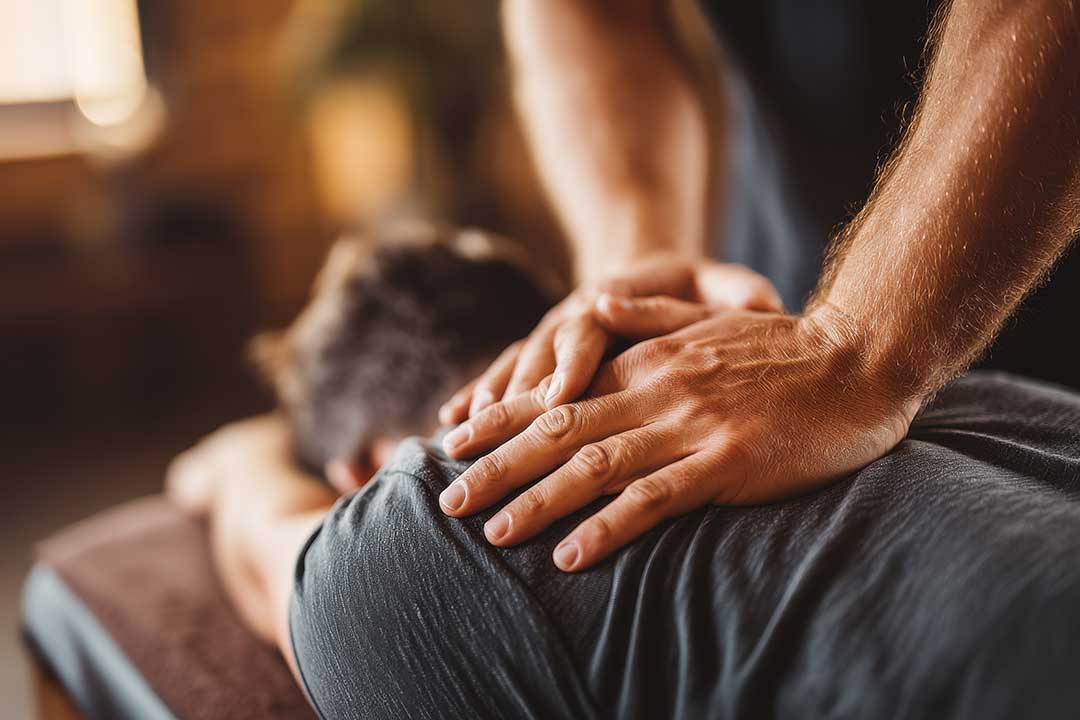
In the city and surrounding communities, scoliosis care often involves a combination of strategies tailored to the individual:
- Observation: For mild curves, regular monitoring by a healthcare provider is often all that’s needed.
- Physical therapy: Targeted exercises can improve core strength, posture, and daily function.
- Bracing: For growing children or teens with certain curve types, specialized back braces may prevent worsening.
- Rarely, surgery: Reserved for severe cases, typically when health or mobility is at risk.
Local school screenings may identify scoliosis early, allowing families to follow up with healthcare providers. Residents might also join support groups or community exercise classes focused on back health.
How Can Residents Stay Active and Comfortable with Scoliosis?
Staying physically active and managing back health year-round is achievable with a few key habits:
- Engage in low-impact activities like walking, swimming, or cycling, which are popular in regional parks and along the lakeshore
- Incorporate stretching and strengthening routines, especially during colder months when people are less active
- Pay attention to any changes in posture or persistent discomfort and discuss these with a healthcare provider, especially before starting new routines
- Use ergonomic tools at home, whether shoveling snow, gardening in the spring, or working at a desk
Small adjustments to movement and routine can support comfort and mobility, whether living with mild or moderate scoliosis.
